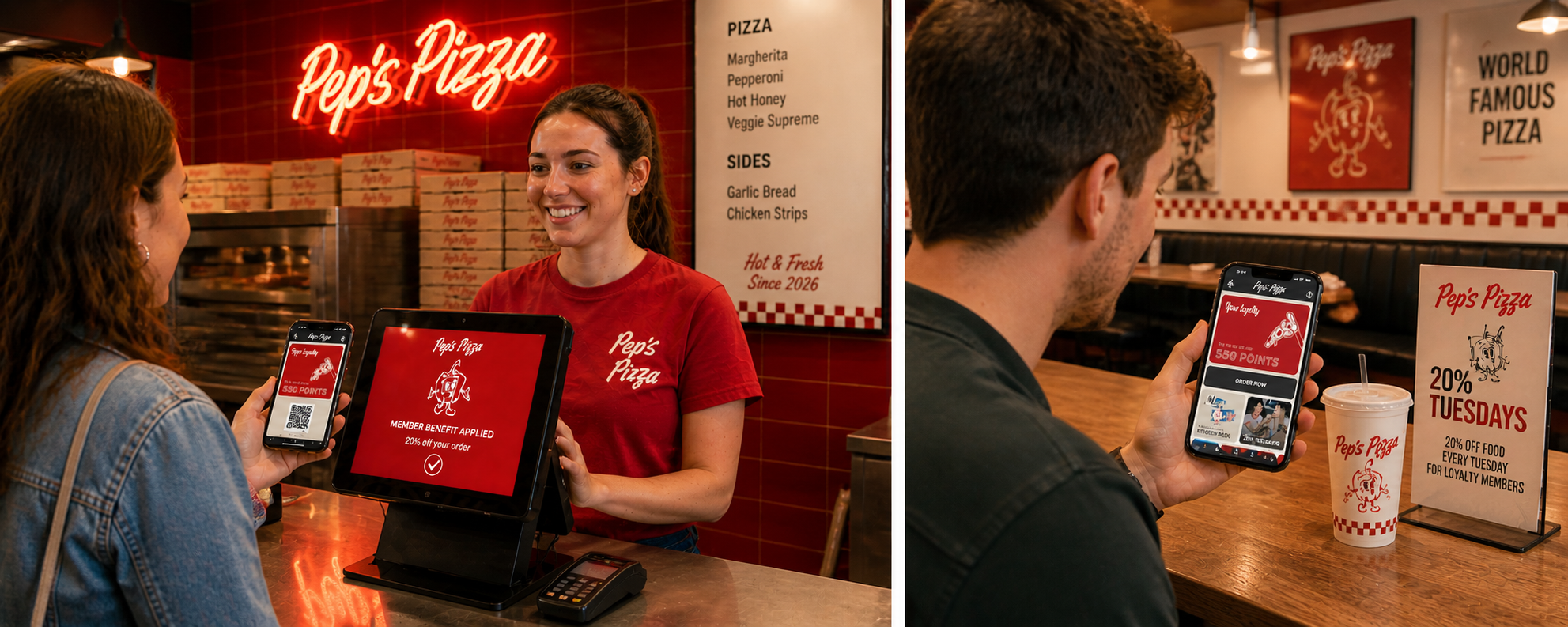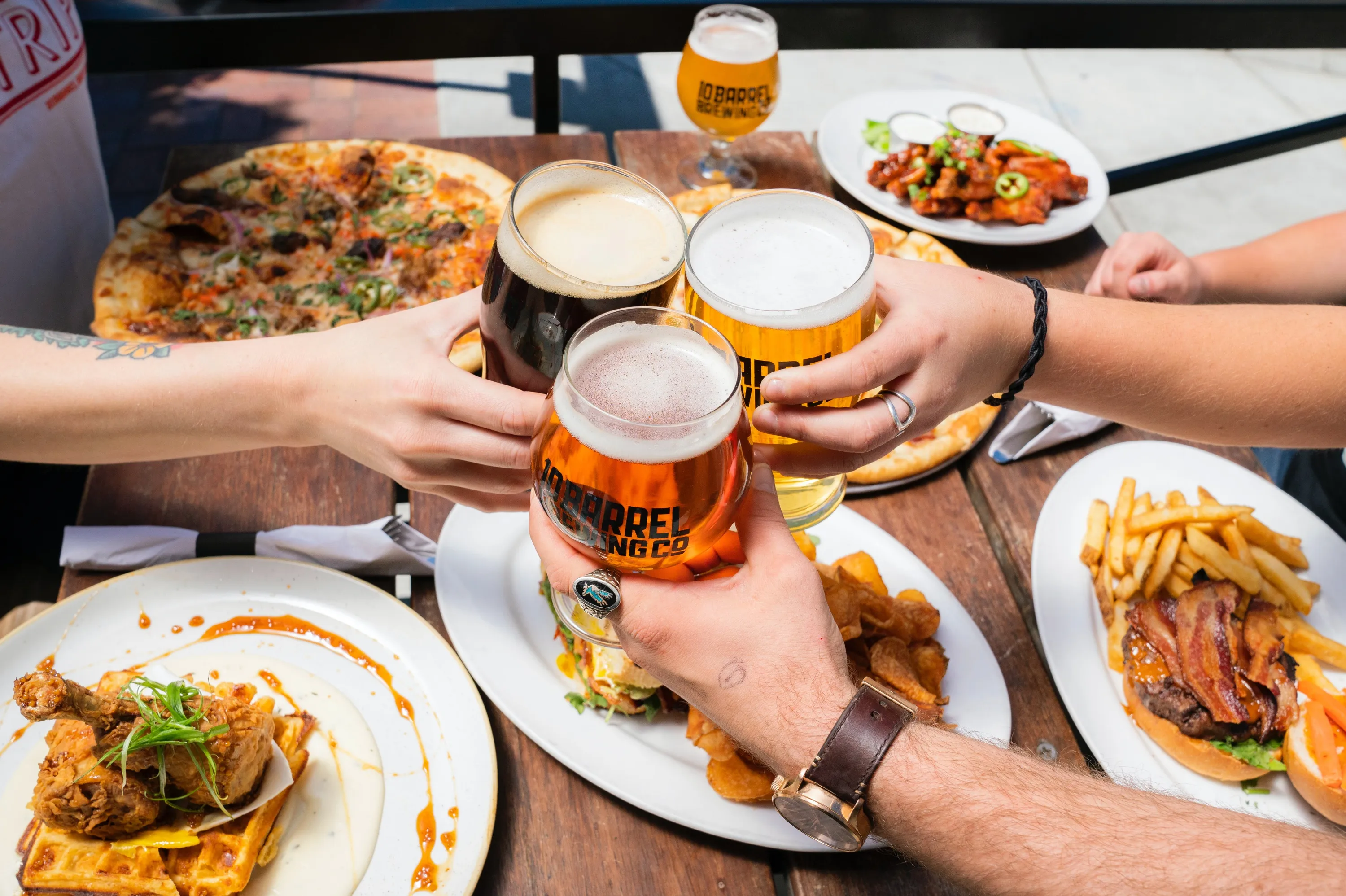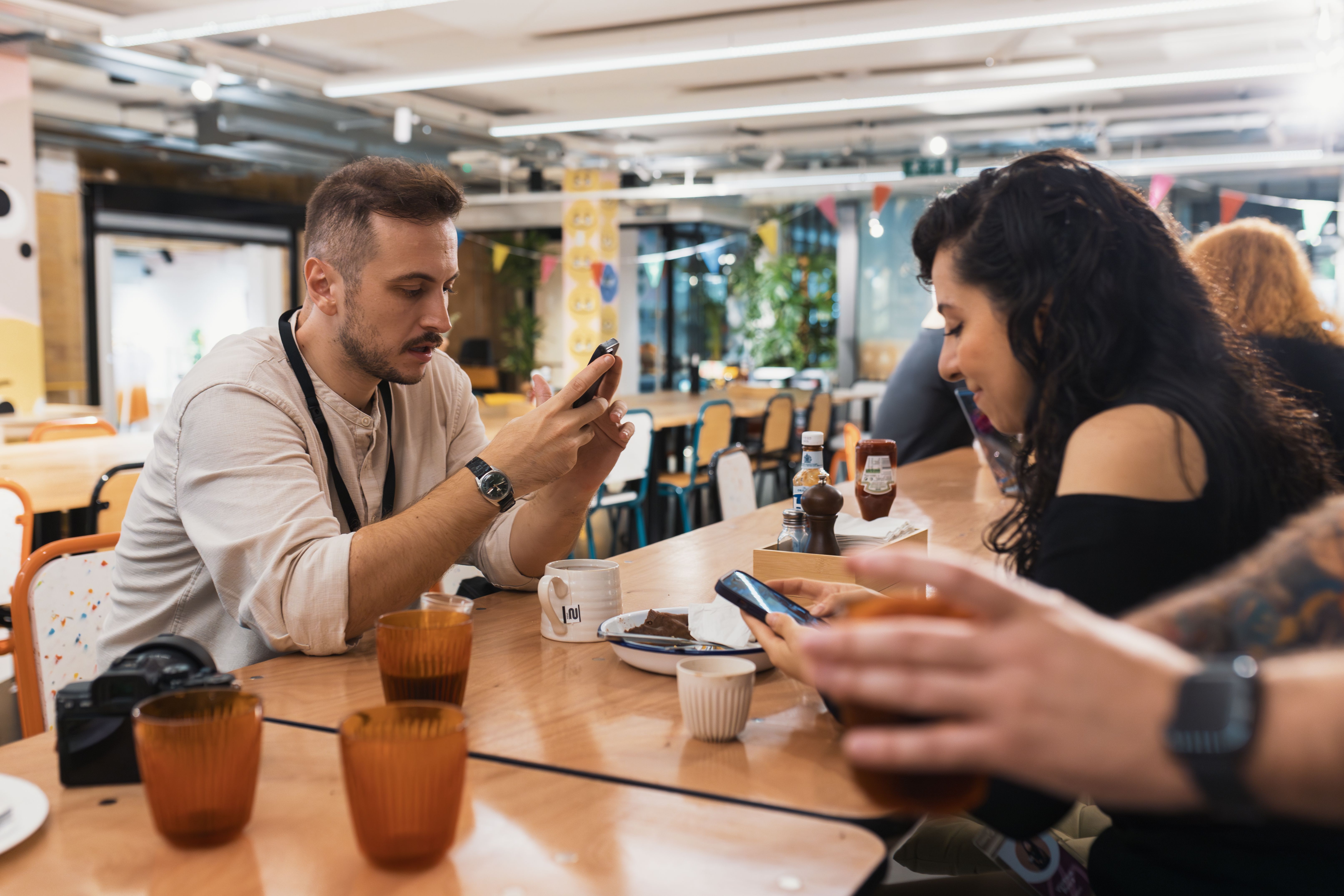
Mobile ordering isn't a trend anymore. For a growing number of UK operators, it's the primary way guests choose to order — and the ones who got there early are now pulling ahead on revenue, efficiency, and guest loyalty.
This is where things stand in 2026: what guests actually want, what it means for your bottom line, and what the best operators in the country are doing differently.
From Pandemic Necessity to Permanent Expectation
You know the story. In 2020, QR code ordering went from a curiosity to a near-requirement almost overnight. Operators scrambled to get digital menus live. Guests scanned codes because they had no other choice.
What nobody predicted was that a significant portion of those guests would prefer it.
By 2026, 75% of restaurants worldwide use QR codes for digital menus. That's not driven by regulation. It's driven by demand. Guests who experienced the speed and simplicity of ordering from their phone didn't want to go back to waiting for a server.
The pandemic accelerated a shift that was already underway. Mobile ordering moved from a contingency plan to a permanent fixture of what guests expect when they walk through your door.
Where adoption stands today
The numbers are clear. IRIS reported a 42% year-on-year increase in mobile ordering volumes across hospitality — reflecting both new venues adopting the technology and existing users ordering more frequently through digital channels.
Mintel's 2026 data adds important context: 90% of Britons eat in restaurants, and 84% order takeaway. The British public is eating out and ordering in at scale. The question isn't whether your guests use digital ordering. It's whether they're using yours.
Lumina Intelligence values the UK restaurant market at £18.5 billion in 2026, with spend per visit and visit frequency both rising even as guests make fewer total occasions. Each visit now carries more commercial weight. Getting the ordering experience right has never mattered more.
Adoption looks different by sector. QSRs have led on mobile pre-ordering and app-based loyalty. Pubs have embraced QR table ordering, particularly for drinks rounds. Restaurants are using mobile ordering to manage covers more efficiently and reduce pressure on front-of-house. Cafés are driving repeat visits through personalisation and loyalty rewards built into their ordering apps.
The common thread: operators who moved early are now building on a strong foundation.
What Guests Actually Want
Speed, simplicity, and payment that doesn't drag
Ask a guest what they want from mobile ordering and you'll hear the same thing every time: make it fast and make it easy.
Picture a busy Friday night. A group arrives, finds a table, looks around for a server. There isn't one free. They wait. One person heads to the bar. The round takes 15 minutes. That experience — multiplied across dozens of tables — costs you covers, spend, and reviews you'll feel for weeks.
Now the same group scans a QR code, sees the menu, orders four drinks, and pays in under two minutes. The round arrives. They order another before the first is finished.
That's what guests want. Not technology for its own sake. Speed. Control. No waiting.
Payment is part of that equation. Guests expect to pay how they want — card, Apple Pay, Google Pay — and in most instances, without being handed a card machine at the end. Integrated payment removes the final friction point from the transaction entirely.
Personalisation that earns the return visit
Speed gets guests ordering. Personalisation gets them coming back.
Think about a regular at your café who orders the same flat white and almond croissant every Tuesday morning. A mobile experience that recognises them, surfaces their usual order, and applies their loyalty points without any effort on their part isn't just convenient — it feels like being known.
That feeling drives repeat visits. It drives word of mouth. And it's only possible when your ordering platform is connected to a CRM that stores real buyer behaviour — not just transaction totals, but what was ordered, when, and how often.
This isn't a premium feature anymore. Guests who experience personalisation elsewhere expect it everywhere. Your venue included.
The Business Impact: Real Numbers, Not Promises
Higher spend per transaction
The business case for mobile ordering isn't built on guest satisfaction alone. The P&L impact is measurable.
Our clients have seen a £4.27 average transaction uplift when guests order via mobile, and an average 20% increase in average transaction value (ATV) compared to traditional ordering.
Why does mobile ordering increase spend? Three reasons:
- Upsell prompts work. A well-designed digital menu can suggest a side, a sauce, or an upgrade at the point of ordering. A busy server rarely has time to do this consistently.
- Guests order more rounds. When reordering takes 30 seconds from the table, guests order more frequently. Waiting for a server is the single biggest barrier to a second drink.
- Guests spend more when they're not rushed. Ordering at their own pace, without feeling like they're holding up your team, guests consider the full menu rather than defaulting to the first thing they recognise.
For a multi-site operator, a £4.27 uplift per transaction across thousands of covers a week is a serious revenue line.
Labour efficiency without cutting corners
Mobile ordering doesn't replace your team. It changes what your team does.
During a QSR lunch rush, mobile pre-ordering removes the queue at the counter. Guests who've pre-ordered collect and go. Your staff focus on preparation and quality — not taking orders and processing payments. Throughput goes up without adding headcount.
In a restaurant, front-of-house staff shift from order-takers to hosts. They spend more time on the floor managing the experience, handling exceptions, and building relationships — the things that actually drive loyalty and five-star reviews. The transactional part of the job is handled by the guest's phone.
In a labour market where hospitality continues to face real recruitment and retention pressure, getting more from your existing team without burning them out is a genuine advantage.
Barriers to Getting Started: How to Actually Overcome Them
"My team won't buy into it"
The most common objection we hear isn't about technology. It's about people. "My team won't buy into it." "Training will take too long." "We'll lose the personal touch."
These concerns are understandable. They're also largely unfounded when the right solution is in place.
Our tableside ordering device requires zero staff training to operate. Your team picks it up and uses it immediately — the learning curve is the same as using a smartphone. For web and app-based ordering, your staff don't need to be trained at all. The guest handles the ordering process themselves.
The personal touch argument deserves a direct answer. Mobile ordering doesn't remove hospitality. It removes the transactional parts of service that guests find frustrating — waiting to catch someone's eye, being handed the wrong bill, queuing to pay. Your staff are freed to focus on the work that actually requires a human: welcoming guests, making recommendations, creating atmosphere.
Operators who've made this shift consistently report that staff satisfaction improves. Less time on admin. More time on the floor doing meaningful work.
"Will it work with what we already have?"
This is a fair question. A mobile ordering solution that creates a parallel workflow — separate from your kitchen display system, separate from your POS — creates more problems than it solves. Orders get missed. Tickets get duplicated. The kitchen gets confused.
The answer is integration. Our integrations connect PepperOS with the POS and kitchen systems already running in your venue. Orders placed via mobile flow directly into the same workflow as orders taken by your staff. The kitchen sees one stream. The POS reconciles everything. There's no parallel system to manage.
When you're evaluating solutions, integration capability isn't a nice-to-have. It's the difference between something that works and something that creates operational chaos.
What the Best Operators Are Doing Differently
One platform, not six tools that loosely connect
A clear pattern is emerging among operators getting the most from mobile ordering. They're not running five different tools that occasionally talk to each other. They're running a single platform that handles ordering, payment, loyalty, and marketing in one place.
The bolt-on approach is still common. A QR ordering tool here. A loyalty app there. A separate email platform. A third-party delivery aggregator taking 30% commission. Each tool works in isolation. None of them give you a complete picture of your guest.
A Slerp survey of 112 UK restaurant operators in April 2026 found that over half don't trust their third-party commission rates, and the majority are actively moving toward direct ordering. Commission fairness, brand control, and customer data ownership were the three fault lines driving that shift.
Operators who consolidate onto a unified platform — ordering, loyalty, and marketing together — stop paying commission on every transaction and start owning the guest relationship directly.
Your guest data belongs to you
Every order placed through a third-party aggregator is an order you don't learn from. The aggregator knows what your guests ordered, when, and how often. You get a payment. They keep the data.
That data is the foundation of personalisation, loyalty, and targeted marketing. Without it, you're operating blind. You can't identify your most valuable guests. You can't send a targeted offer to guests who haven't visited in 30 days. You can't build a loyalty programme that actually changes behaviour.
The operators pulling ahead in 2026 are the ones who have taken back ownership of their guest data. They know who their regulars are. They know what drives a return visit. They use that knowledge to run campaigns that produce measurable results — not spray-and-pray emails, but targeted messages based on real purchase history.
Our clients have built a combined 300,000+ monthly active users across their platforms. Those users order more frequently, spend more per visit, and are significantly less likely to churn than non-members. That's the compounding value of owning your guest relationships.
For multi-site groups, the picture is even sharper. Head office can see real-time order data across every venue in one dashboard — identifying which sites are performing, which menu items are driving ATV, and where operational issues are emerging before they become problems.
Ready to See What It Looks Like in Your Venue?
Join 200+ high street brands already using our solutions to drive more revenue and build stronger guest relationships. Book a demo to see how PepperOS brings order and pay, loyalty, and marketing together in one platform.
Frequently Asked Questions
What is mobile ordering in hospitality?
Mobile ordering lets guests browse your menu, place an order, and pay using their own device — via a QR code at the table, a branded app, or a web-based ordering page. It integrates directly with your kitchen and POS, so orders flow in exactly the same way as a staff-taken order. No separate system. No double-handling.
What are the benefits for pubs and restaurants?
Higher average transaction values (our clients see an average 20% ATV uplift), faster service during peak periods, reduced pressure on your front-of-house team, and the ability to capture guest data for loyalty and marketing. Guests also reorder more frequently when the process is frictionless.
How does QR code ordering work in a pub or restaurant?
A QR code sits on the table or at the bar. Guests scan it with their phone camera — no app download required — and a digital menu opens in their browser. They select items, customise their order, and pay directly on their phone. The order goes straight to the kitchen or bar automatically.
What's the average transaction value uplift from mobile ordering?
Based on data across 15 million+ orders processed through our platform, clients see an average uplift of £4.27 per transaction and a 20% increase in ATV compared to traditional ordering. The uplift comes from upsell prompts, more frequent reordering, and guests taking more time to browse the full menu.
How do I choose the right platform?
Look for four things: integration with your existing POS and kitchen systems; data ownership (your guest data should belong to you, not a third party); a unified platform that handles ordering, loyalty, and marketing together; and minimal staff training required. Bolt-on tools that don't connect to each other create operational complexity and keep you from building a complete picture of your guests.
Try Pepper today
Designed to showcase the power of PepperOS, this interactive demo provides and example of the insights and tools we’re currently providing to 200+ high street brands.